
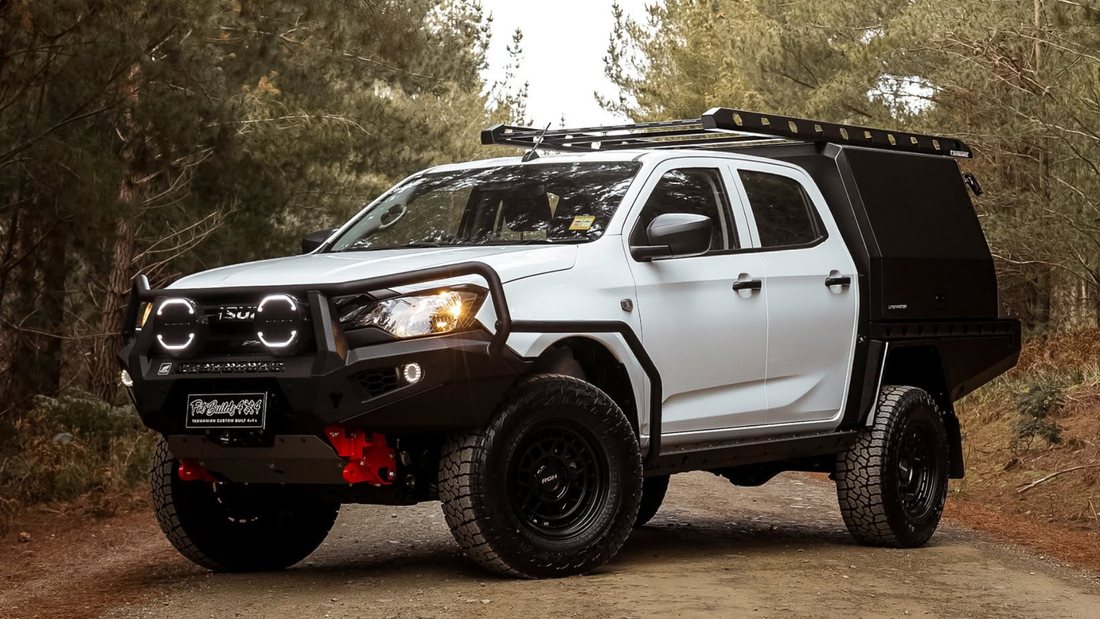
Building the Ultimate Tourer: Where Do You Start?
Planning the ultimate touring vehicle is about more than adding a few accessories and heading off-road. Whether you're setting up your ute for weekend camping trips, extended road adventures or remote Australian travel, the right combination of equipment can make all the difference.
From canopies and storage systems to suspension upgrades, GVM upgrades and dual battery systems, every addition should serve a purpose. The key is building a setup that suits your travel plans, carries your gear safely and works within your vehicle's limits.
At The Ute Shop on the Sunshine Coast, we help drivers turn their vehicles into practical, reliable touring setups with quality 4WD accessories and professional installation. If you're not sure where to begin, here's what to consider before building your ultimate tourer.
1. Start With Your Touring Plans
Before choosing accessories, think about how you intend to use your vehicle. A setup designed for occasional weekend camping will look very different from one built for extended touring or remote-area travel.
Weekend camping: A canopy, basic storage system, fridge and suitable recovery equipment may be all you need to get started. The goal is to keep your gear organised and accessible without unnecessarily adding weight.
Extended touring: Longer trips often call for more storage, a larger fridge, additional power capacity, roof racks and a suspension setup suited to your typical load. Being organised becomes increasingly important when you're carrying equipment for several days or weeks on the road.
Remote travel: Travelling further off the beaten track requires more careful planning. Reliable power, food storage, recovery equipment, appropriate suspension and considered weight distribution all become essential parts of the build.
Your travel plans will help determine which accessories are worth investing in first. At The Ute Shop, we can help you work through your options and put together a touring setup that suits your vehicle, budget and intended use.
2. Choose the Right Canopy and Storage System
For many touring utes, the canopy is the foundation of the entire setup. It creates a protected space for equipment and provides a practical starting point for organising everything you need on the road.
A quality canopy can help protect your camping gear, tools and other essentials from the elements, while making it easier to separate equipment into dedicated storage areas.
To get the most out of your canopy, consider pairing it with a storage system designed around the way you travel.
Canopies and storage solutions can help you:
- Keep camping equipment organised and easy to access.
- Separate recovery gear, tools, cooking equipment and personal belongings.
- Create dedicated space for a fridge and touring essentials.
- Make better use of the available tub space.
- Keep loose equipment secure while travelling.
For regular campers and extended touring, drawers and other purpose-built storage solutions can make packing and unpacking far more efficient. Rather than digging through tubs and bags, you'll have a designated place for the equipment you use most.
The right layout will depend on your vehicle, the canopy you choose and how much gear you carry. It's also important to account for the weight of the canopy, drawers and everything stored inside them when planning your overall build.
The Ute Shop can help you explore canopy and storage options to create a setup that makes sense for your touring needs.
3. Add a Fridge and Consider Your Roof Rack Setup
Once you've sorted your main storage, think about how you'll manage food, water and the extra equipment needed for longer trips.
Touring fridges
A portable 12V fridge is a worthwhile addition for anyone spending extended time on the road. It allows you to keep food and drinks cold without relying on ice, making meal planning easier and reducing the need for frequent resupply stops.
When choosing a fridge, consider:
- The capacity you'll need for your usual trip length.
- Available space within your canopy or vehicle.
- How you'll access the fridge once everything is packed.
- Your available battery capacity and expected power consumption.
- Whether the fridge will be securely mounted for travel.
A fridge is only as practical as the space and power supporting it, so it's worth planning its location early rather than trying to fit it in after everything else is installed.
Roof racks
Roof racks provide additional carrying capacity for suitable equipment that doesn't need to be stored inside the vehicle. Depending on your setup, they may be useful for carrying camping equipment, awnings or other compatible touring accessories.
However, roof space isn't unlimited. Roof racks and their loads contribute to your vehicle's overall weight, and equipment mounted high on the vehicle can raise its centre of gravity.
Before choosing a roof rack, check the vehicle manufacturer's load limits, the rack's rated capacity and any applicable dynamic and static load restrictions. Make sure the intended accessories are compatible with the rack and vehicle.
A well-planned setup uses roof space strategically while keeping heavier items secured as low as practical.
4. Upgrade Your Suspension to Suit Your Load
One of the most important considerations when building a touring vehicle is suspension.
Adding a canopy, drawers, a fridge, recovery equipment, water, camping gear and other accessories increases the weight your vehicle carries. This can affect ride height, handling, braking performance and suspension travel, particularly when the vehicle is heavily loaded.
A suspension upgrade can help your vehicle handle its intended touring load when the components are correctly selected and installed.
Depending on your vehicle and requirements, this may involve upgraded springs, shock absorbers and other compatible suspension components. The correct setup will depend on your typical load, whether you tow, your driving conditions and the vehicle's specifications.
The goal isn't simply to lift your ute. It's to choose suspension that works with the weight you carry and the way you drive.
At The Ute Shop, we can help you explore suspension options for your touring build, whether you're carrying camping equipment, towing a caravan or preparing for longer off-road trips.
Do you need a GVM upgrade?
Gross Vehicle Mass (GVM) is the maximum permitted loaded weight of your vehicle, including occupants, accessories, fuel, cargo and other applicable loads.
It's easy to underestimate how quickly a touring build adds weight. A canopy, storage drawers, fridge, batteries, roof racks, passengers and camping equipment can use up a significant portion of your available payload before you even pack for a trip.
A GVM upgrade may be worth considering if your planned setup requires additional legal carrying capacity. Depending on the vehicle and upgrade, an approved GVM solution may increase its permitted maximum loaded mass.
However, a GVM upgrade does not automatically increase every other vehicle limit. Axle ratings, tyre and wheel ratings, towing limits, gross combination mass (GCM) and other applicable restrictions must still be considered.
Before investing in accessories, work out your vehicle's available payload and estimate the weight of your complete touring setup. If you're approaching your limits, speak with The Ute Shop about suitable suspension and GVM upgrade options before committing to the build.
Planning ahead can help you avoid an expensive situation where your accessories leave you with insufficient legal payload for passengers, supplies and travel gear.
5. Plan Your Electrical System and Auxiliary Battery
A touring vehicle needs more than space to carry equipment. It also needs a reliable way to power it.
If you're running a 12V fridge, charging devices, operating compatible lighting or powering other touring accessories, an auxiliary battery system can help support those demands without relying solely on your starter battery.
A properly planned electrical system may include:
- An auxiliary battery suited to your power requirements.
- A compatible battery management or charging system.
- Suitable wiring, fusing and circuit protection.
- Charging options appropriate for your vehicle and travel habits.
- Power outlets and connections positioned for convenient access.
The right system depends on how much power you'll use and how long you expect to operate your equipment between charging opportunities.
For example, a weekend camper running a fridge and charging a few devices will have different requirements from someone spending several days away from powered sites with additional electrical accessories.
Solar charging may also be worth considering for suitable touring setups, particularly when spending extended periods away from mains power. Its effectiveness will depend on available sunlight, panel placement, power consumption and battery capacity.
The important thing is to design your electrical system around your actual requirements. A larger battery alone won't solve every power problem if your charging system and daily energy consumption haven't been considered.
The Ute Shop can help you explore auxiliary battery and electrical solutions that work alongside your canopy, fridge and other touring accessories.
6. Balance Comfort, Functionality and Vehicle Limits
It's easy to get carried away when building a touring vehicle. There are always more accessories to add, more storage to fill and more upgrades to consider.
But the ultimate tourer isn't necessarily the vehicle with the most equipment. It's the one that does everything you need without compromising safety, reliability or practicality.
Before finalising your build, consider the following.
Weight and payload: Account for the weight of your accessories, passengers, fuel, water, luggage and any other items carried. Weigh the completed vehicle when necessary to confirm its actual loaded mass and axle loads.
Accessibility: Make sure frequently used items are easy to reach. A well-organised canopy and storage system can save time and frustration at camp.
Comfort and drivability: Choose suspension and accessories that suit your usual driving conditions, rather than focusing on appearance alone.
Power requirements: Match your auxiliary battery and charging system to the equipment you intend to run.
Future upgrades: If you plan to add a fridge, canopy, drawers or other accessories later, consider those requirements from the beginning. This can help avoid purchasing incompatible equipment or having to redo parts of your setup.
Legal and manufacturer limits: Check the relevant vehicle, axle, towing and accessory ratings before loading up. Any modifications must comply with applicable Queensland requirements and the relevant approval conditions.
A balanced touring build should make your vehicle more capable and enjoyable to use, not unnecessarily heavy or difficult to manage.
7. Build Your Touring Setup With The Ute Shop
Every touring vehicle is different. Your ideal setup will depend on the vehicle you drive, where you want to go, how long you'll be away and what you need to carry.
Whether you're starting with a standard ute or upgrading an existing 4WD, planning the build as a complete system can help you choose accessories that work together.
At The Ute Shop on the Sunshine Coast, we can help you explore options across:
- Canopies and practical storage solutions.
- Roof racks and touring accessories.
- Fridges and compatible touring equipment.
- Suspension upgrades to suit your vehicle and load.
- GVM upgrade options.
- Auxiliary batteries and electrical systems.
Rather than purchasing accessories one at a time and hoping everything fits together, start with a plan. Think about your travel requirements, establish your available payload and prioritise the upgrades that will make the biggest difference to your trips.
Ready to build your ultimate tourer?
Get in touch with The Ute Shop on the Sunshine Coast to discuss your vehicle, your touring plans and the accessories that will help you get more out of every adventure. Whether you're preparing for weekend camping, long-distance touring or your next remote-area trip, we'll help you work towards a setup that's practical, considered and ready for the road ahead.
Image: Utemaster